
The Future of Modern Insulation
From Upcycling to a Fully Circular Insulation Material
CycleWool represents a new generation of fully circular insulation materials. Through technical upcycling, industrial fiber residues are transformed into a high-quality insulation product with outstanding performance and a service life of more than 50 years.
Thanks to short transport routes – for both raw materials and distribution – CycleWool actively contributes to climate protection. The energy required for processing and packaging is generated entirely from wind and solar power, making the product CO₂-neutral after only a few days.
Advantages of CycleWool
By choosing CycleWool, you opt for insulation that combines resource efficiency, high performance, and easy application. The material not only ensures a comfortable indoor climate and effective fire protection, but also impresses with its durability and the use of industrial surplus materials. In this way, you benefit from an insulation material that turns waste into new value while remaining economically efficient.

Completely Recyclable
CycleWool is produced from high-quality industrial surplus materials and can be fully reused or recycled at the end of its service life. This creates a closed material cycle that conserves natural resources and actively supports sustainable building practices.
Flexible Application

Sound Insulation

Fire resistant

Harmless to health

Sustainably Climate-Friendly

Summer Heat Protection

Winter Cold Protection
Areas of application for CycleWool
CycleWool is a versatile insulation material that adapts flexibly to modern construction methods. Whether in new buildings or renovation projects, it impresses with its simple installation and its ability to fill even hard-to-reach cavities seamlessly. This results in homogeneous, gap-free insulation layers that provide maximum energy efficiency and noticeably improved living comfort.
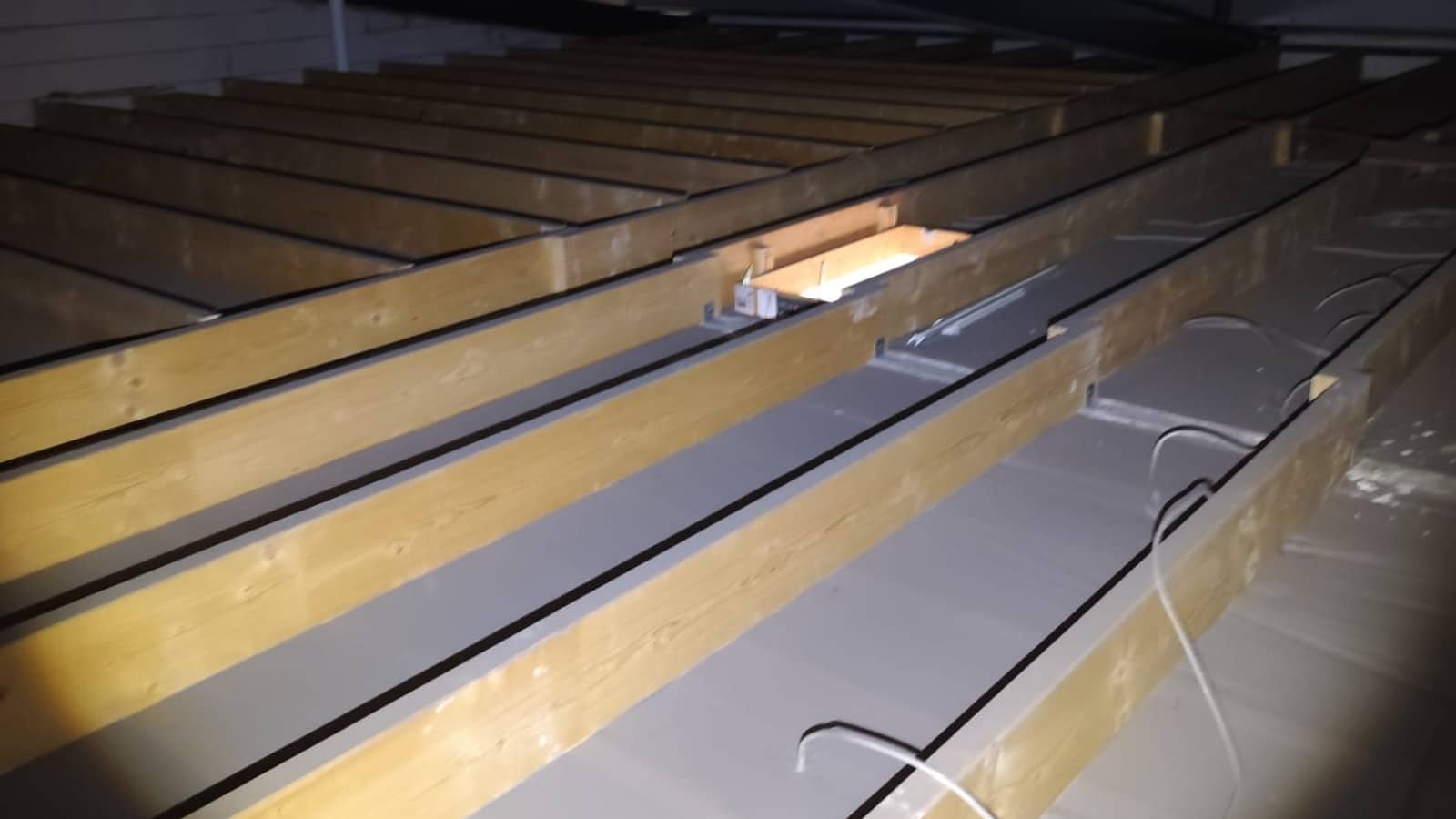
Sloping ceilings and attics
CycleWool is ideal for insulating pitched roofs, as it is blown seamlessly into the cavities. In unused attics, the material can also be applied openly to the surface to achieve a uniform insulating effect. This not only ensures better energy efficiency, but also a much more pleasant indoor climate under the roof.
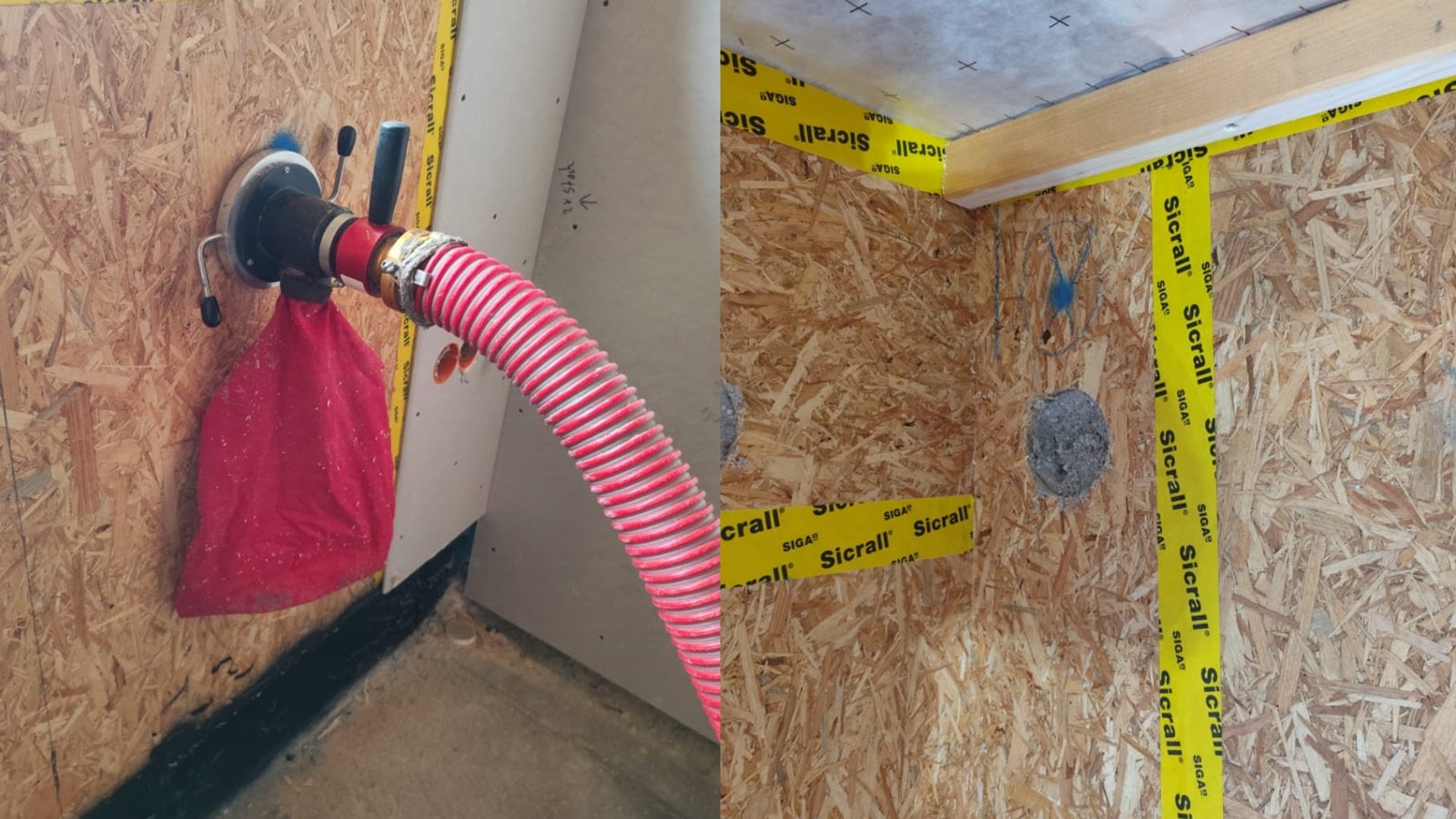
Timber-Frame Walls
In timber-frame construction, every cavity must be reliably filled – this is where CycleWool shows its strength. The flexible material adapts perfectly, leaving no thermal bridges or voids. The result is a sustainable improvement in energy efficiency and additional acoustic comfort.
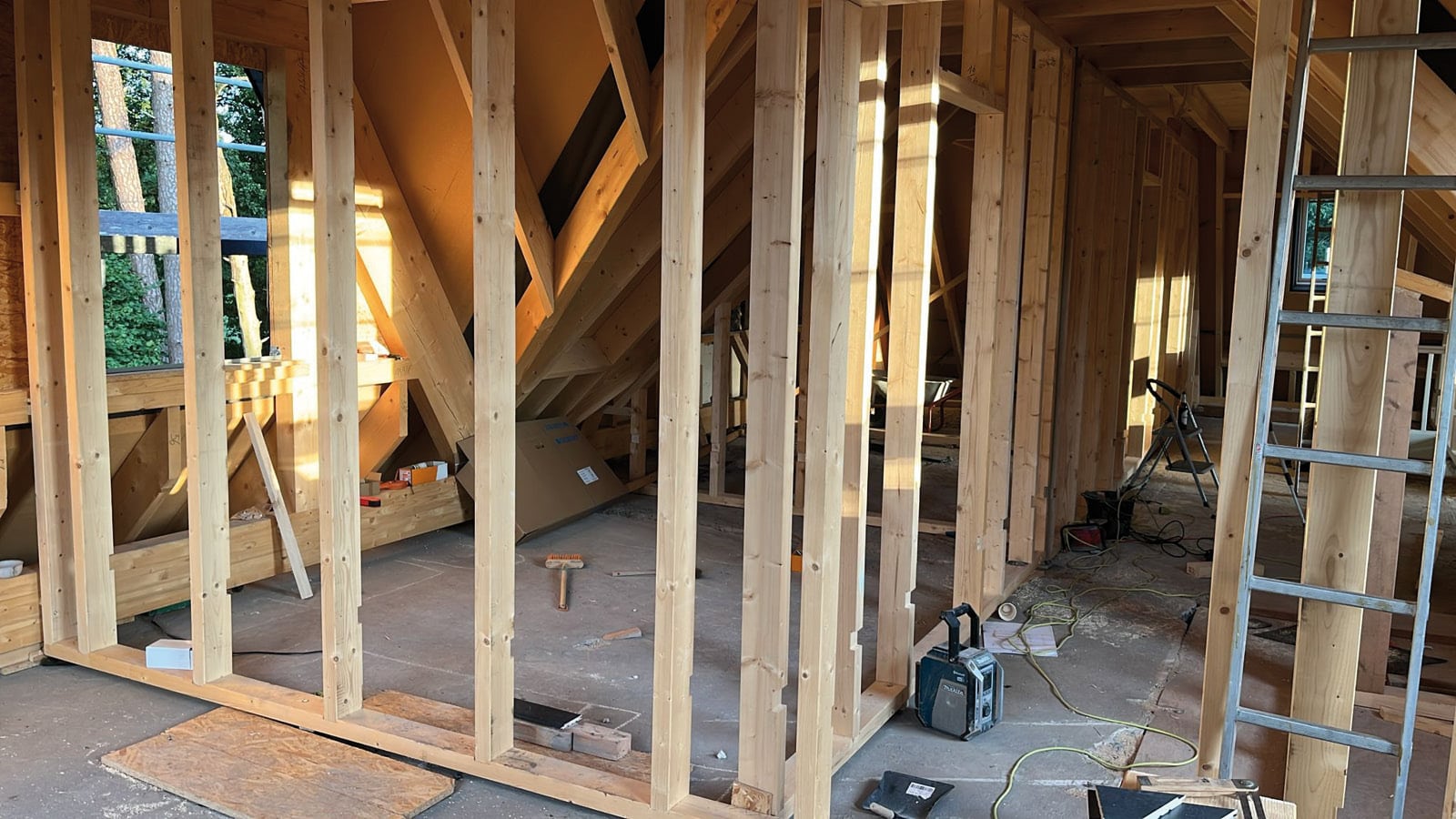
Interior walls and partitions
For interior walls and partition walls, CycleWool offers not only thermal insulation but also excellent sound insulation. The flexible installation achieves uniform insulation, which reduces temperature fluctuations and ensures quiet rooms. This makes it ideal for increasing both living comfort and privacy.
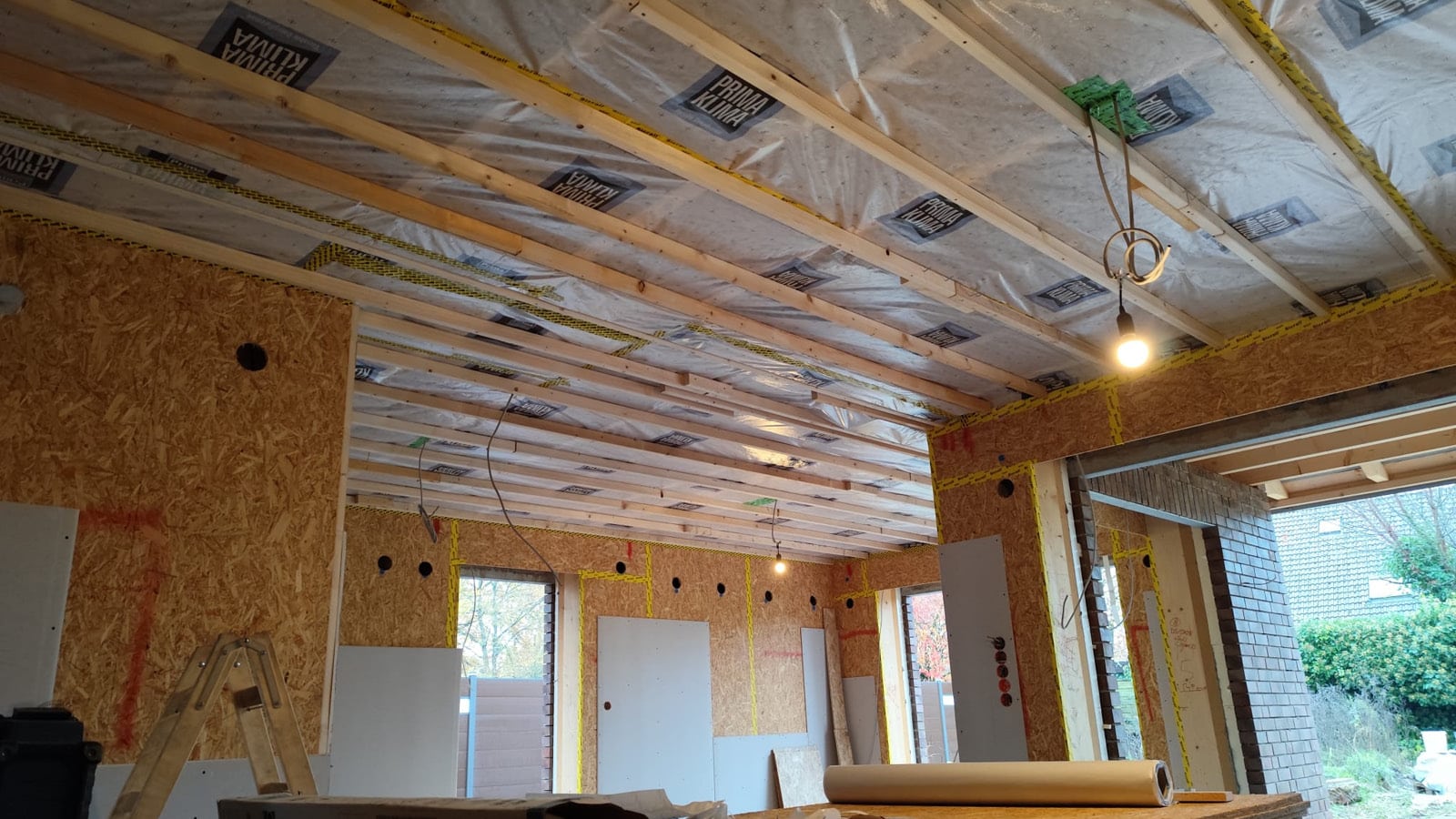
False ceilings
CycleWool effectively prevents heat loss between floors in suspended ceilings. At the same time, sound transmission is significantly reduced, which makes for a quieter and more pleasant living environment. Blow-in insulation can be implemented quickly and efficiently without having to carry out extensive construction work.
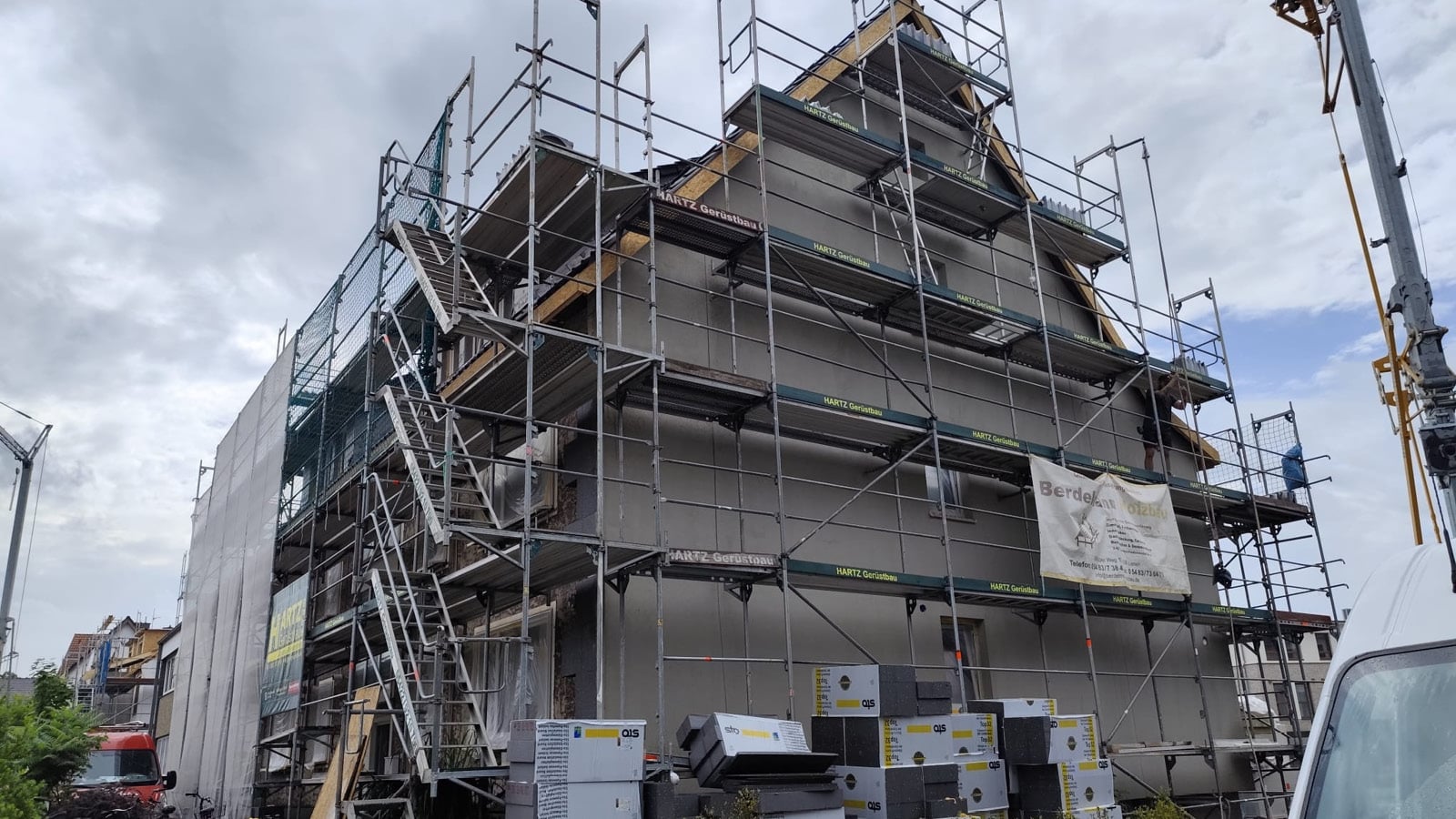
Renovation of Existing Buildings
Especially in existing buildings, CycleWool demonstrates its advantages. It can be installed easily and without damaging existing structures, allowing older houses to meet modern energy standards. Fast application saves time and costs – while residents immediately benefit from increased comfort and a healthier indoor climate.
Environmental Performance & Technical Values
CycleWool impresses with excellent technical characteristics and the sustainable use of resources:
- Thermal conductivity (λD): 0,035 – 0,037 W/mK (depending on density range) – ensuring high energy efficiency and outstanding insulation performance.
- Fire protection: Building material class A1 – non-combustible, no tendency to smolder.
- Material base: Produced from recycled mineral wool – resource-efficient and durable.
- Service life: Tested for over 50 years of consistent performance.
Technical Specifications and Performance Data (ETA-24/0838)
| Property | Value |
|---|---|
| Thermal conductivity (λD) | 0.037 W/mK (at 30–35 kg/m³) · 0.035 W/mK (at 40–45 kg/m³) |
| Installed bulk density | 30–35 kg/m³ (loose fill) · 40–45 kg/m³ (cavities/between rafters) |
| Laboratory bulk density, free placement | 33.8 kg/m³ |
| Laboratory bulk density, in cavities | 46.2 kg/m³ |
| Reaction to fire | Euroclass A1 (non-combustible); organic content ≤ 2.9% (m/m); passed smoldering test |
| Water vapor diffusion resistance | μ = 1 · moisture conversion factor Fm = 1.00 (23/50→23/80) |
| Settlement behavior | Ceilings: ≤ 9.5% (≥ 35 kg/m³, up to 321 mm) · Walls/Rafters: SC 0 (≤ 1%) (≥ 41 kg/m³, up to 100 mm) |
| Airflow resistance | ≥ 5.2 kPa·s/m² (at ≥ 30 kg/m³) · ≥ 11.3 kPa·s/m² (at ≥ 40 kg/m³) |
Technical specifications according to ETA-24/0551 (Durafloc Eco) and ETA-24/0838 (CycleWool RW / CycleWool TF), as well as the corresponding Declarations of Performance (DoP) provided by the manufacturers. The values refer to tested laboratory conditions and may vary slightly in practical application.

