
The Future of Modern Insulation
Blown-in insulation made from recycled mineral wool


CycleWool is a blown-in insulation material made from recycled mineral wool. It is manufactured from residual streams of the mineral wool industry. The material is intended for thermal insulation in suitable, dry building elements. The European Technical Assessment ETA 24/0551 describes its intended uses and installation conditions.
Technical properties
The following properties are described in Declaration of Performance DC01-240551 and European Technical Assessment ETA 24/0551:
- Thermal conductivity (λD): 0.035 W/(m·K) at 30–35 kg/m³ for open applications and 0.034 W/(m·K) at 42–65 kg/m³ in closed cavities. National design rules apply.
- Reaction to fire: Class A1, non-combustible, with no propensity for continuous smouldering.
- Material: recycled mineral wool.
- Application: dry, non-load-bearing insulation in accordance with ETA 24/0551.
Advantages of CycleWool
Recycled mineral wool
Flexible Application
Sound Insulation
Fire resistant
Pleasant Handling
Made from residual streams of the mineral wool industry.
Summer Heat Protection
Winter Cold Protection
Areas of application for CycleWool
CycleWool is intended for thermal insulation in suitable, dry building elements. It can be blown onto nearly horizontal surfaces or into closed cavities. Installation must follow ETA 24/0551 and the manufacturer’s instructions. Thermal, moisture and acoustic performance must be considered for the complete building element.
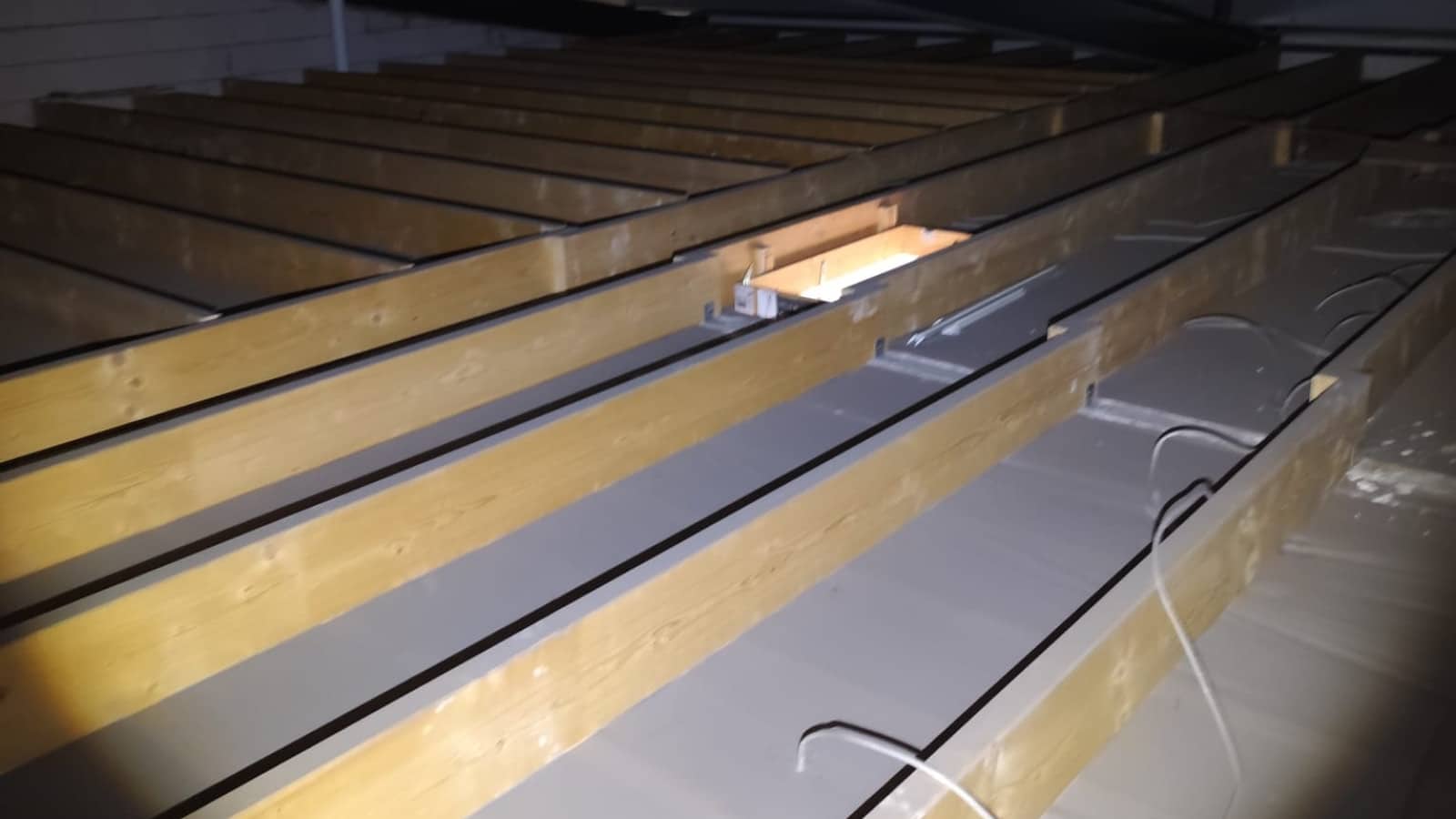
Sloping ceilings and attics
CycleWool can be blown into suitable closed cavities in pitched roofs. Open application in attics is intended for nearly horizontal surfaces with a maximum slope of 10°. Installation density, thickness and moisture protection must follow ETA 24/0551 and the manufacturer’s instructions.
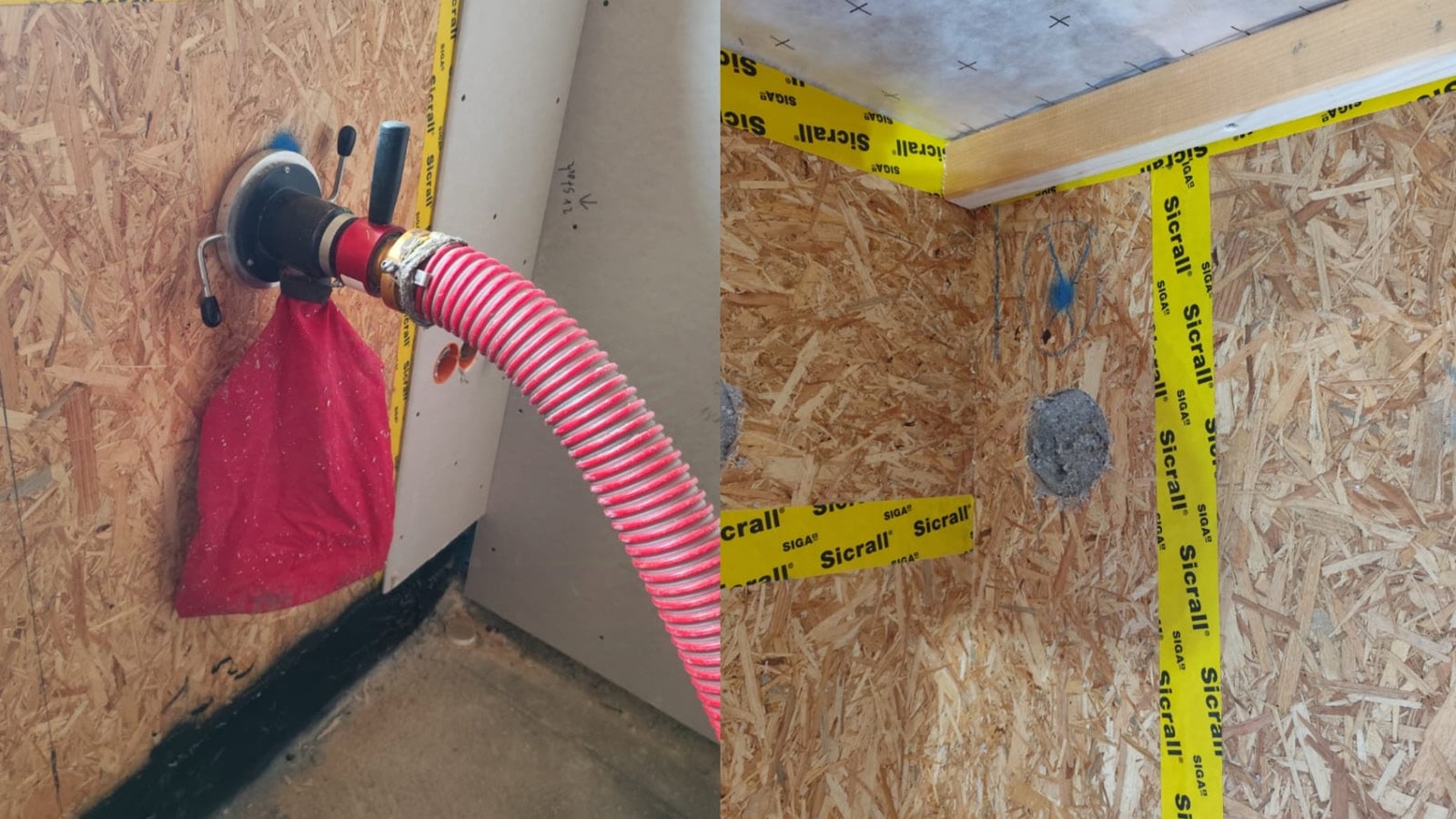
Timber-Frame Walls
CycleWool can provide thermal insulation in suitable closed cavities in timber-frame walls. Installation density and workmanship must follow ETA 24/0551 and the manufacturer’s instructions. Thermal bridges, airtightness and moisture protection must be considered for the complete wall.
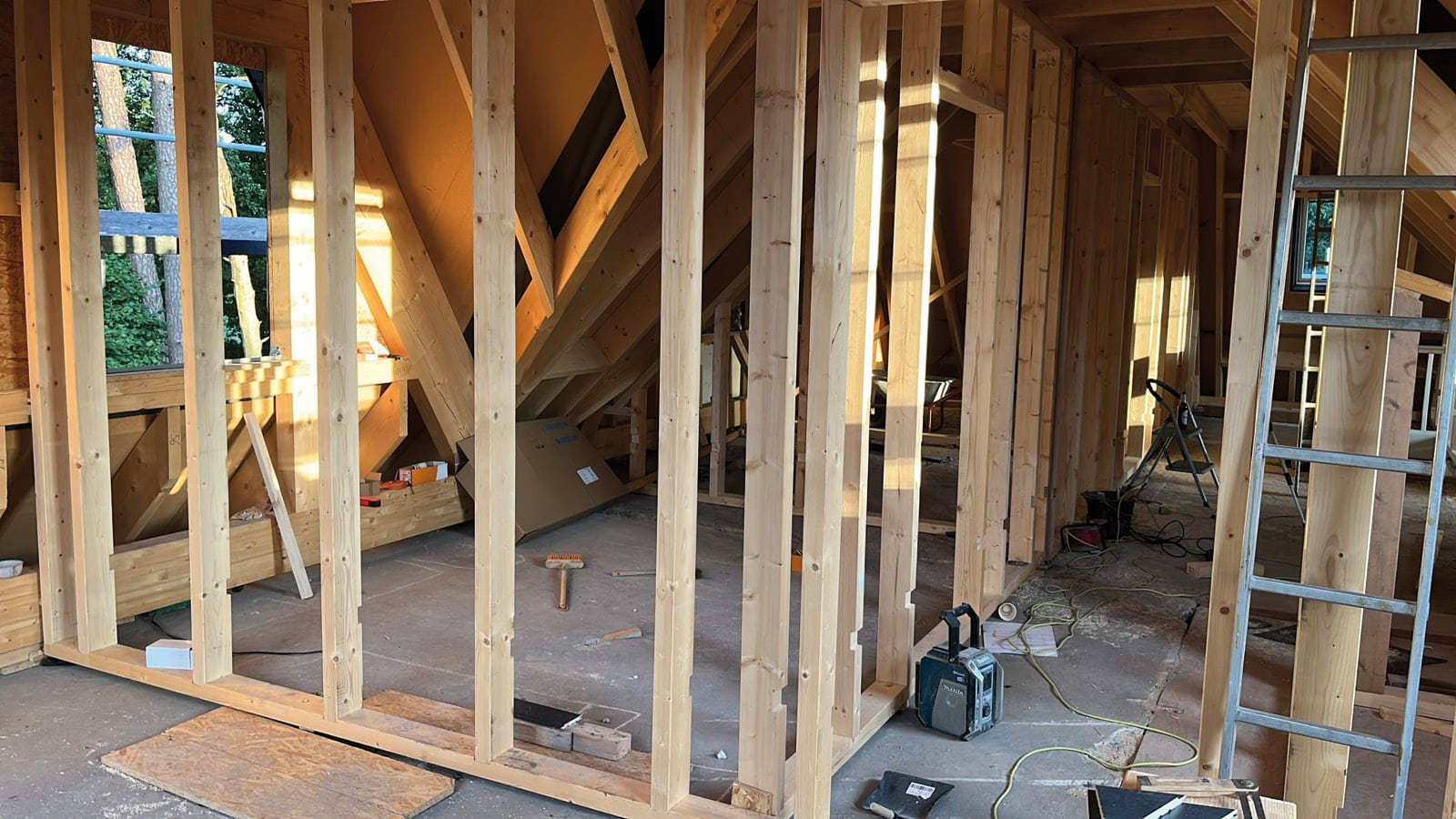
Interior walls and partitions
CycleWool can be used for thermal insulation in suitable, dry wall cavities. The acoustic performance of an interior wall or partition depends on the complete construction and requires an appropriate assessment.
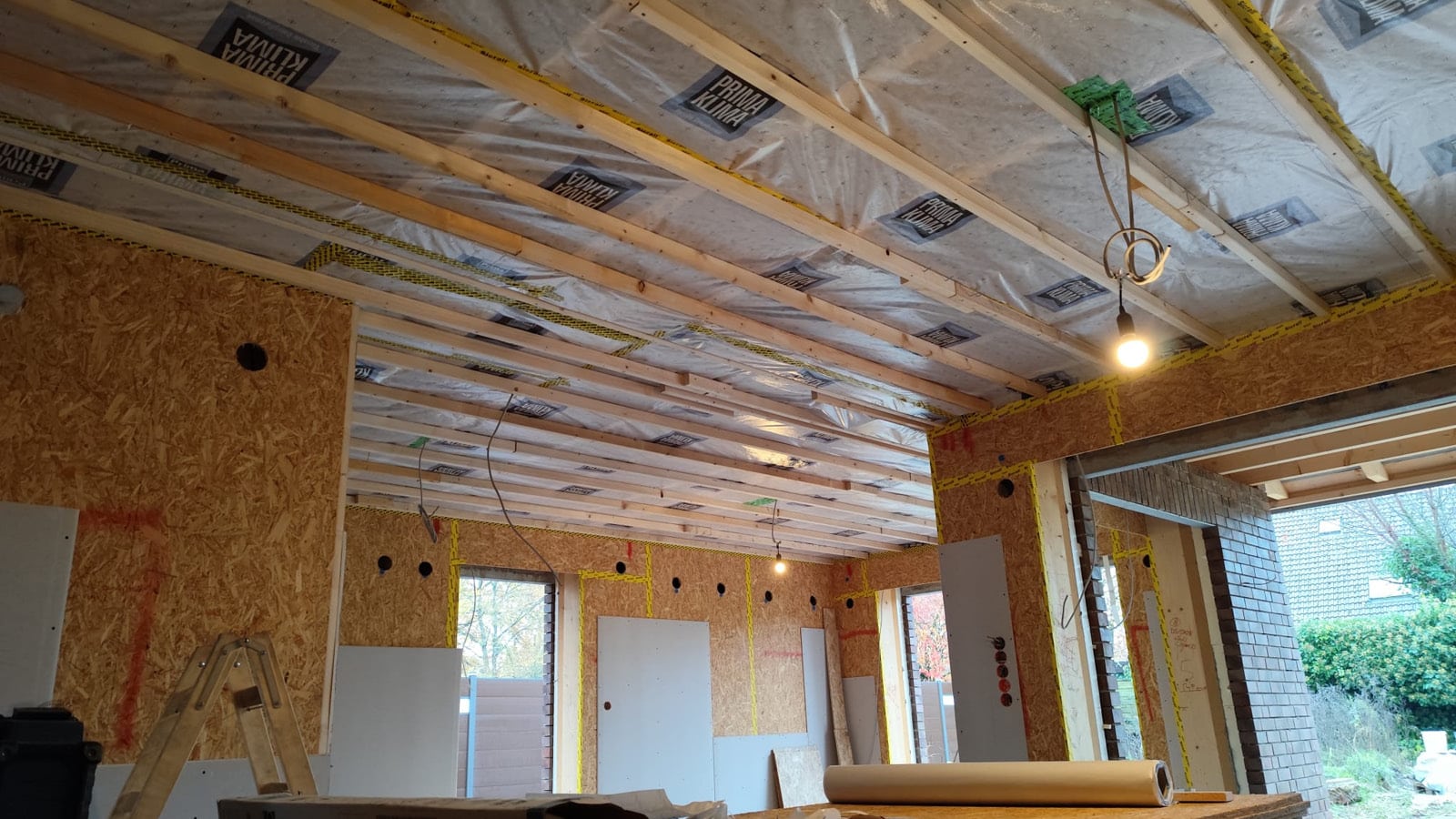
False ceilings
CycleWool can be blown into suitable, dry ceiling cavities. The insulation must not carry compressive loads. Thermal and acoustic performance must be planned for the complete ceiling construction, following the manufacturer’s installation instructions.
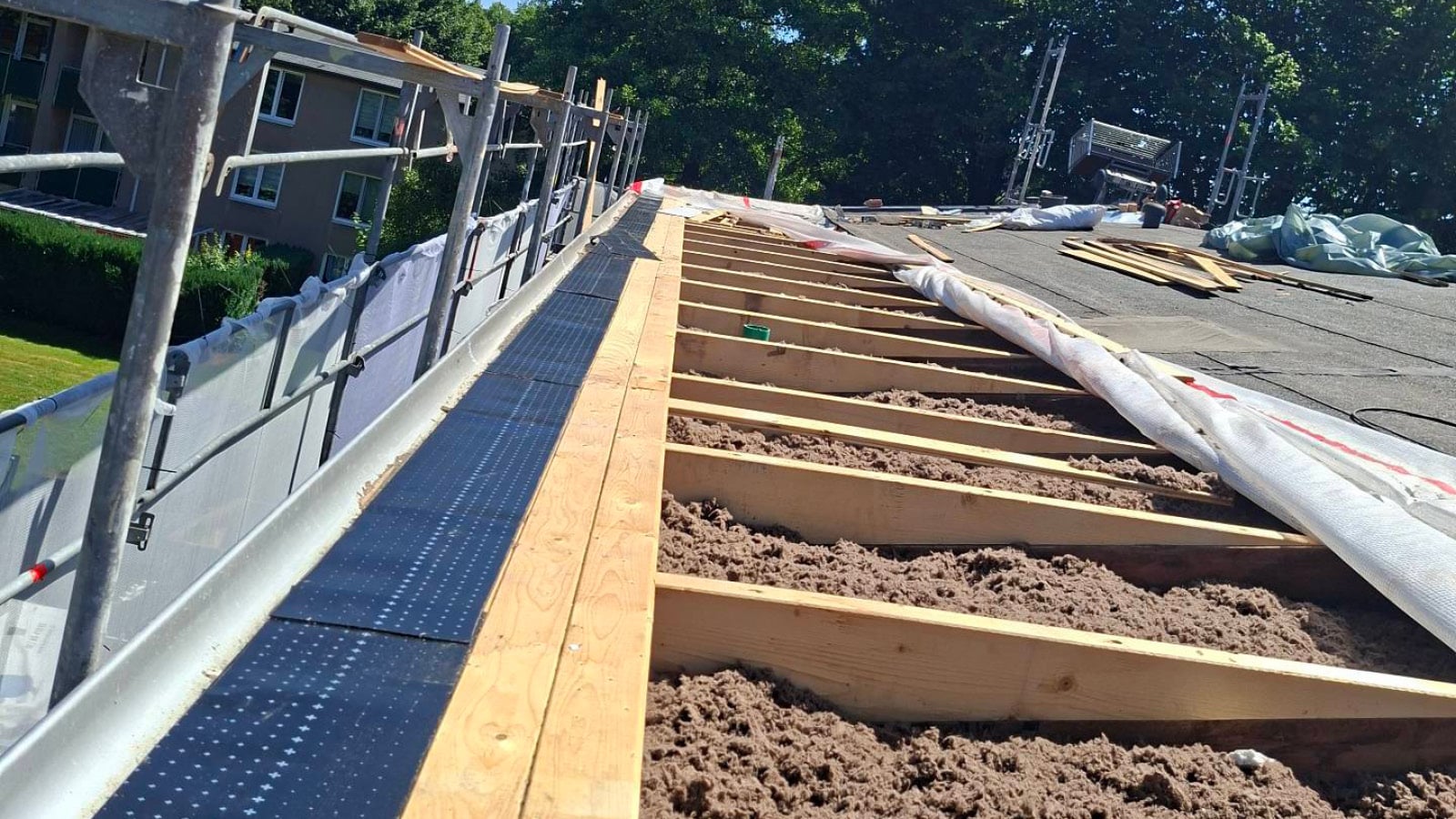
Flat roof renovation
Blown-in insulation in flat roofs requires suitable, dry cavities where the insulation does not carry compressive loads. The roof structure and moisture protection must be assessed before installation. ETA 24/0551 and the manufacturer’s instructions apply.
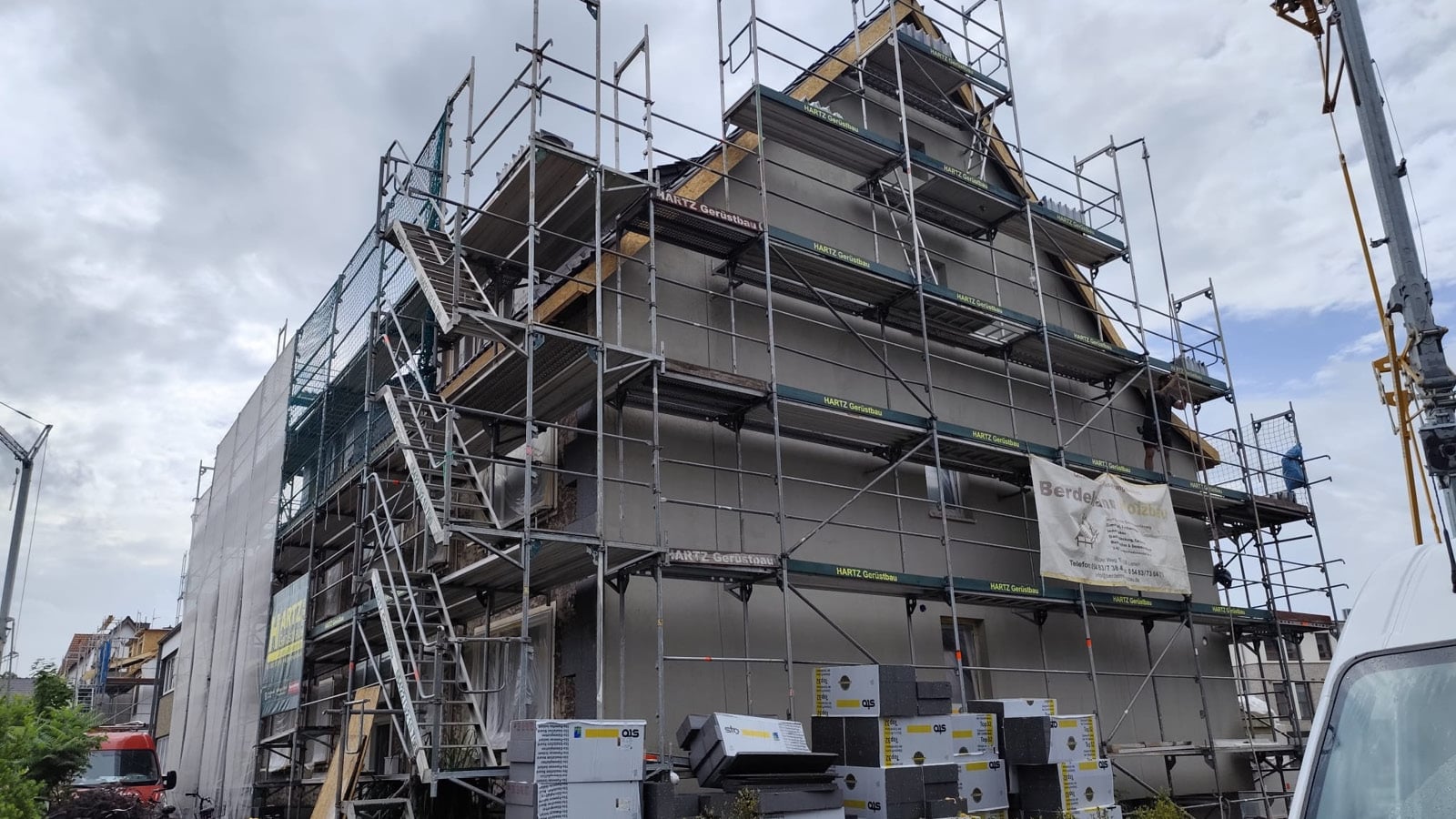
Renovation of Existing Buildings
Existing building elements and cavities must be checked for suitability before installation. Access, moisture protection and the required installation openings determine the work involved. Potential energy savings depend on the building’s condition, installation and use.

